From military optics to daily drivers
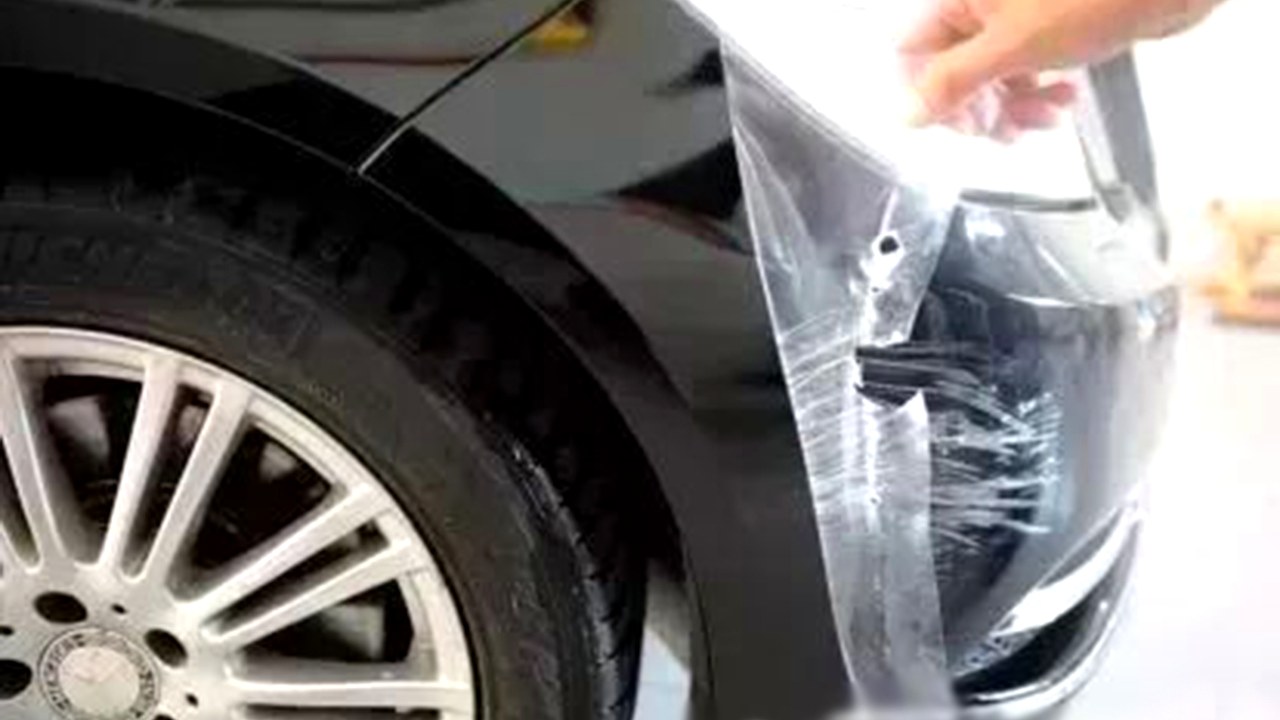
Paint protection film began in the United States as a protective covering for radar domes and military equipment — parts that could not afford to be damaged but also could not afford heavy paint. The film migrated to helicopters, then to consumer cars. The idea is unchanged today: a transparent, replaceable sacrificial layer between the elements and the finish underneath.
Three problems it solves
- Everyday chips and scuffs. Road debris, door edges, pet claws, shopping trolleys — the small damage that makes a car look tired and costs real money at resale. PPF absorbs it; a repainted panel never matches factory finish perfectly and shows in the vehicle's history.
- Long-term gloss without polishing cycles. Wax, sealants and ceramic coatings add shine but cannot stop physical damage. PPF keeps the gloss and takes the hits — and modern self-healing topcoats make light swirls disappear with heat.
- Chemical attack. Acid rain, bird droppings, insect residue, tree sap and overspray etch clear coat permanently. Film blocks them from reaching the paint at all.
What it does not do
Be honest with customers: PPF will not save a panel from a serious collision, and a deep gouge that reaches past the film will mark the paint. It is protection against the daily grind, not a force field. Setting that expectation prevents the disappointment that kills referrals.
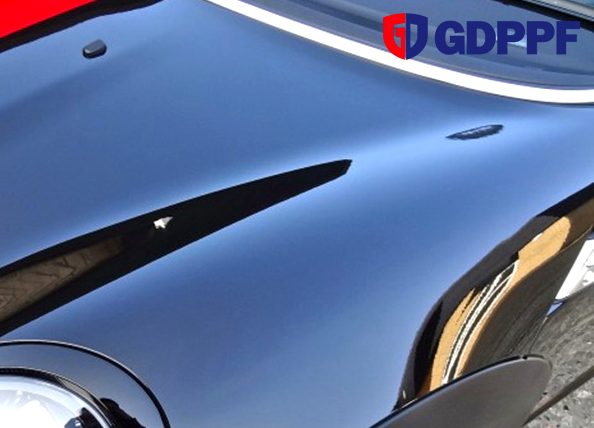
The failure modes to warn about
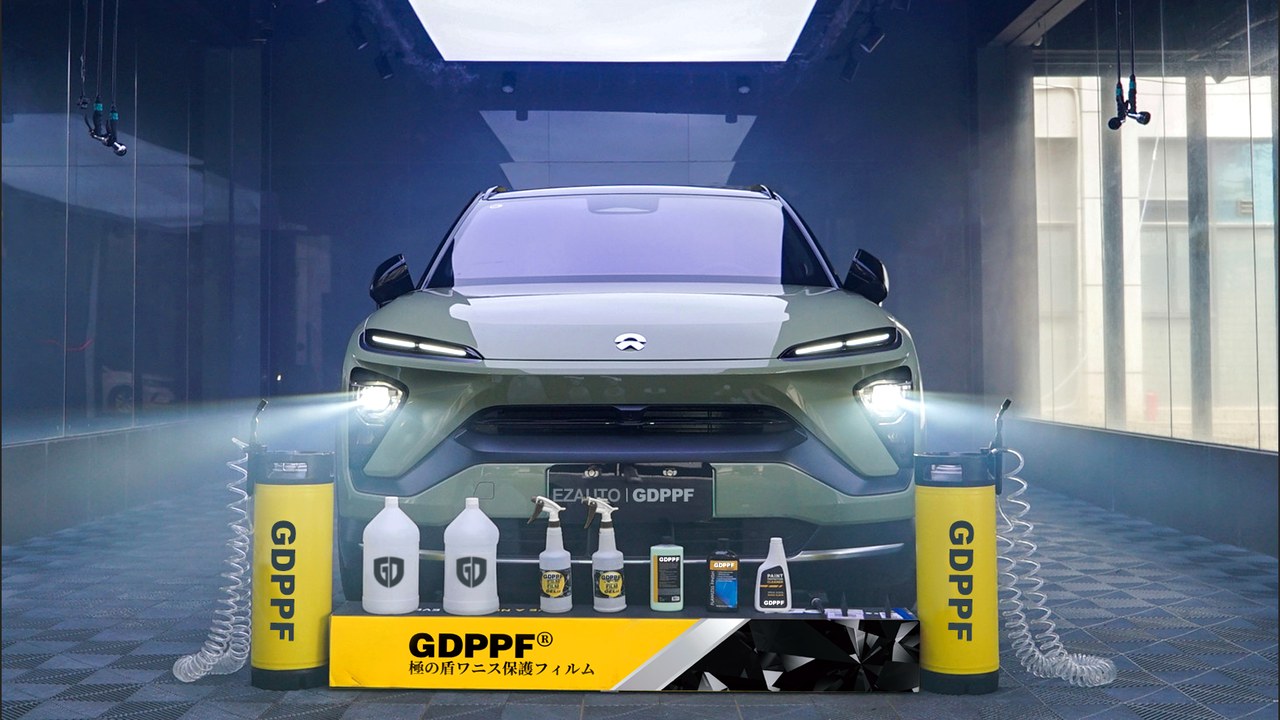
Cheap film fails in three ways: it yellows under UV, it hydrolyzes in humid heat, and the adhesive lets go or bonds permanently. When customers compare quotes, tell them to ask what base material, topcoat and adhesive the film uses — and what the warranty actually covers. A film built on branded TPU with a PCL-based, non-hydrolyzing adhesive system (like the GDPPF range) is priced higher for those reasons.
Three sentences that sell it
"The film takes the damage so the paint doesn't." "Peel it off in five years and the paint underneath is factory-new." "A repaired panel is history; a protected one is value." Short, true, and exactly what the owner of a new car wants to hear.